
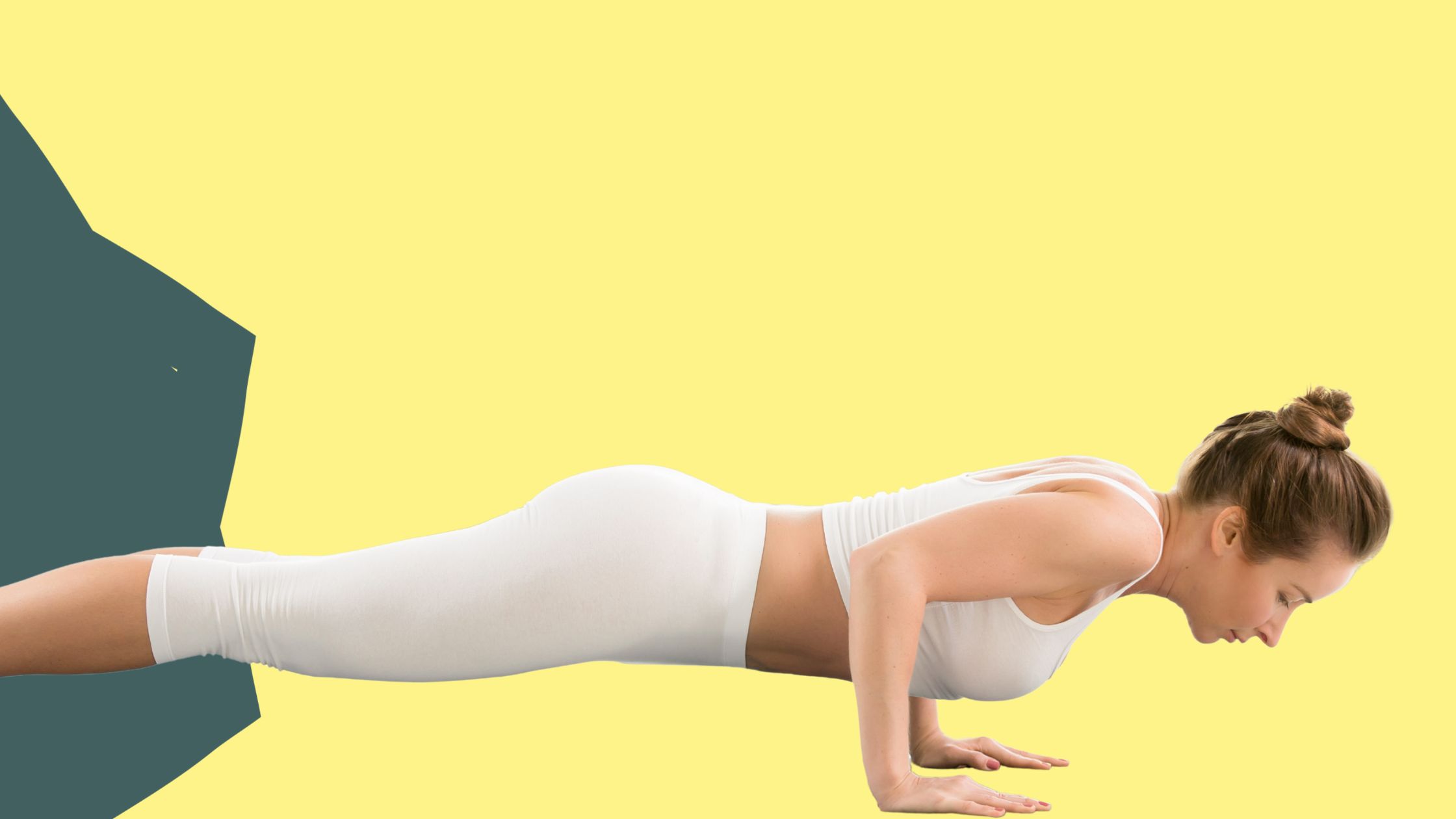
Chaturanga Is a Posture, Not an Action
In many vinyasa yoga classes, Chaturanga Dandasana is treated as a fleeting transition – part of a rapid flow from plank to upward-facing dog. But at its core, Chaturanga is not just a movement. It’s a posture. A shape. A moment to embody strength, stability, and presence.
When we rush through Chaturanga as if it’s just a push-up or a shortcut to the next pose, we miss its true potential. This asana is designed to build foundational integrity in the shoulders, arms, core, and spine. Like any posture, it deserves attention, precision, and breath. It’s not about speed or brute strength, but about alignment and control.
Think of it like this: we wouldn’t glance past Warrior II or Half Moon. We hold them, feel them, refine them. Chaturanga asks for the same respect. To be in Chaturanga – even for a breath or two – is to consciously inhabit a pose where energy lines are engaged and intention is clear.
Approaching it as a posture rather than an action shifts your practice. Suddenly, you’re not collapsing through it – you’re inhabiting it. Shoulders stay in line with elbows, the chest hovers, the core supports. It becomes a container for awareness, not just a checkpoint in a vinyasa.
If you’re new to the pose or working with fatigue or injury, modify. Lower knees. Use blocks. Take a plank. But whatever you do, let it be intentional. Honour Chaturanga as a posture in its own right – and your practice will become stronger, safer, and more mindful.
Check out our five different points of focus as you slowly learn to love the four-limbed staff pose.
1. Stabilise Your Shoulder Heads
We should always emphasise shoulder integrity. In Chaturanga, the shoulders should not dip below the elbows. Instead of leading with the chest or collapsing, he might cue:
“Keep your shoulder heads slightly lifted and broad across the collarbones to protect the rotator cuff and maintain joint space.”
2. Keep Your Elbows Hugged In (But Not Squeezed)
A common miscue is over-squeezing the elbows into the ribs, which can restrict movement.
“Track your elbows back and slightly inward, like they’re aiming for your hip bones—not scraping your ribs. This engages your triceps without compressing your shoulders.”
3. Engage Your Legs Like Crazy
This one is a ‘Sally Special’ – known for her love of grounding through the lower body to support upper-body poses:
“Activate your thighs. Press back through your heels. Let your legs be the anchor that supports your upper body.”
4. Use Plank to Build Strength Safely
Rather than rushing into Chaturanga reps consider longer holds in plank to build strength.
“Spend time in plank first. Build strength with static holds and slow lower-downs so your Chaturanga is controlled, not rushed.”
5. Think of It as a Horizontal Tadasana
Consider a different point of view. We love finding functional movement patterns.
“Imagine you’re doing Tadasana — but horizontally. Your spine is long, core engaged, body integrated. That mindset changes everything.”